Licensed Bonded And Insured

Call now: (236)867-8830
Call now: (236)867-8830
Licensed Bonded And Insured
Call now: (236)867-8830
Call now: (236)867-8830
24/7 Expert Masonry Waterproofing, Flashing, and Crown Diagnostics A compromised or leaking chimney is an immediate threat to your home's structural envelope. Every time it rains, moisture tracks silently behind your roof line, leading to yellow ceiling water stains, rusted flue liners, eroded brick mortar, and toxic attic mold growth.
At Vancouver Building Maintenance , we utilize advanced structural leak detection and diagnostic equipment to locate moisture entry points fast and deliver permanent, guaranteed repairs across the Lower Mainland.
🧱 1. Precision Chimney Crown Sealing & Masonry Rebuilds The concrete chimney crown (the top slab shielding your brick stack) takes the absolute brunt of Pacific Northwest weather. As porous concrete absorbs continuous rainfall, seasonal freeze-thaw cycles force hairline fractures to expand violently into deep structural cracks.
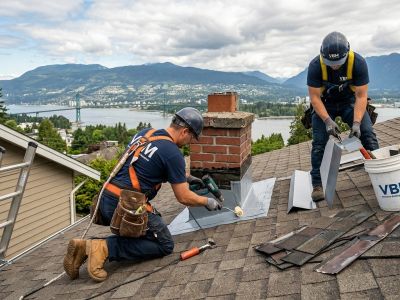
🛠️ 2. Critical Chimney Flashing Framework Repair & Sealing The base intersection where your heavy brick masonry meets your sloped roof line is a leading source of residential roofing leaks. Because masonry and wood framing shift independently, low-grade external caulking splits easily under intense coastal winds.
🦅 3. Code-Compliant Rain Caps & Stainless Steel Chase TopsAn exposed chimney flue allows continuous downpours to pour straight into your fireplace hearth, destroying fireboxes and eroding inner flue liners. It also leaves an open gateway for birds, bats, and pests to nest inside your home.
🗺️ Our Dedicated Lower Mainland Chimney Service AreasOur specialized masonry repair crews provide rapid call-outs and certified technical inspections across these specific regional coverage networks:
🧱 Specialized Local Chimney Masonry & Counter-Flashing Restoration Continuous coastal downpours and winter freeze-thaw cycles place severe structural stress on brick chimneys, leading to mortar decay, eroded crowns, and hidden roofline moisture tracking.
Backed by 20 years of experience in fixing leaks, our specialized masonry crews deliver advanced diagnostics, brick tuckpointing, and waterproof counter-flashing repairs engineered specifically to protect your neighborhood's unique architectural framework. Whether you require premium concrete chimney crown rebuilding, custom lime mortar restorations, or stainless steel rain cap installations for heritage estates heavily shaded by mature tree canopies in Kerrisdale, Shaughnessy, and Point Grey, or rapid emergency leak isolation and heavy-gauge metal flashing adjustments for coastal properties facing intense marine winds across Kitsilano, Yaletown, Mount Pleasant, and East Vancouver, we stop complex water entry permanently.